

Triathlon
Triathlon training plans
TriQuest builds a personal training plan for your triathlon, from sprint to full distance, around the days and time you have. The plan keeps up as your week, your form and your goal change, all the way to the start.
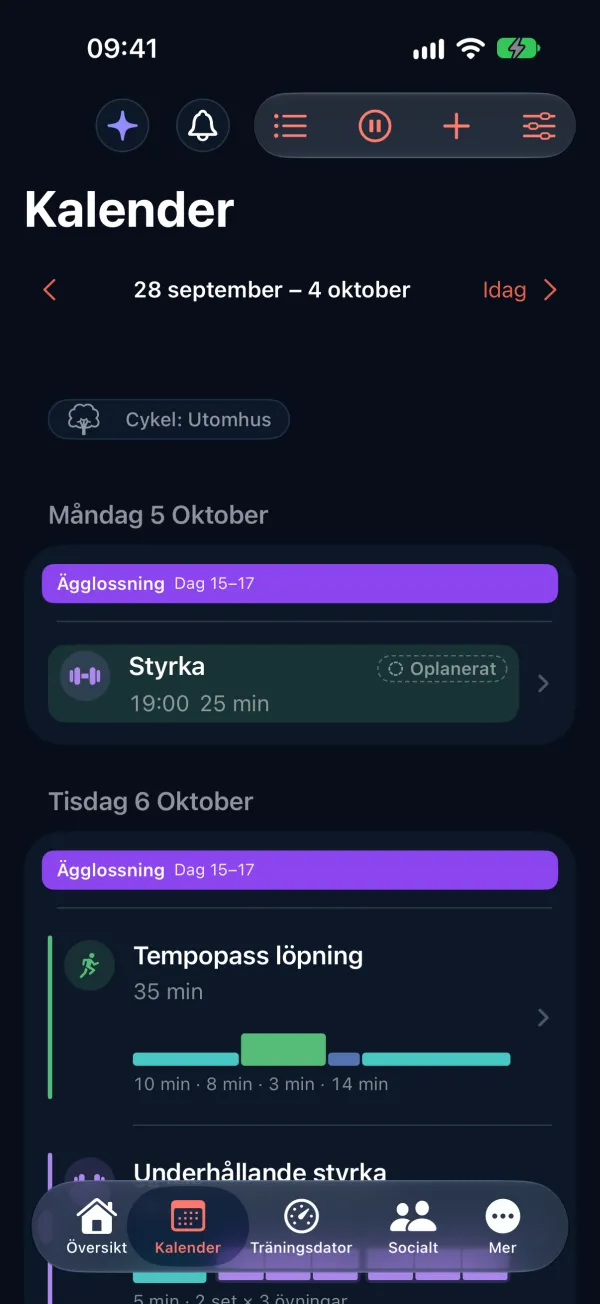
How your training plan is built
You choose your race and its distance, and tell TriQuest what your week looks like: which days you can train, how much time you have each day and which days suit long sessions. TriQuest also starts from your experience and how much you train today, so the plan starts at the right level.
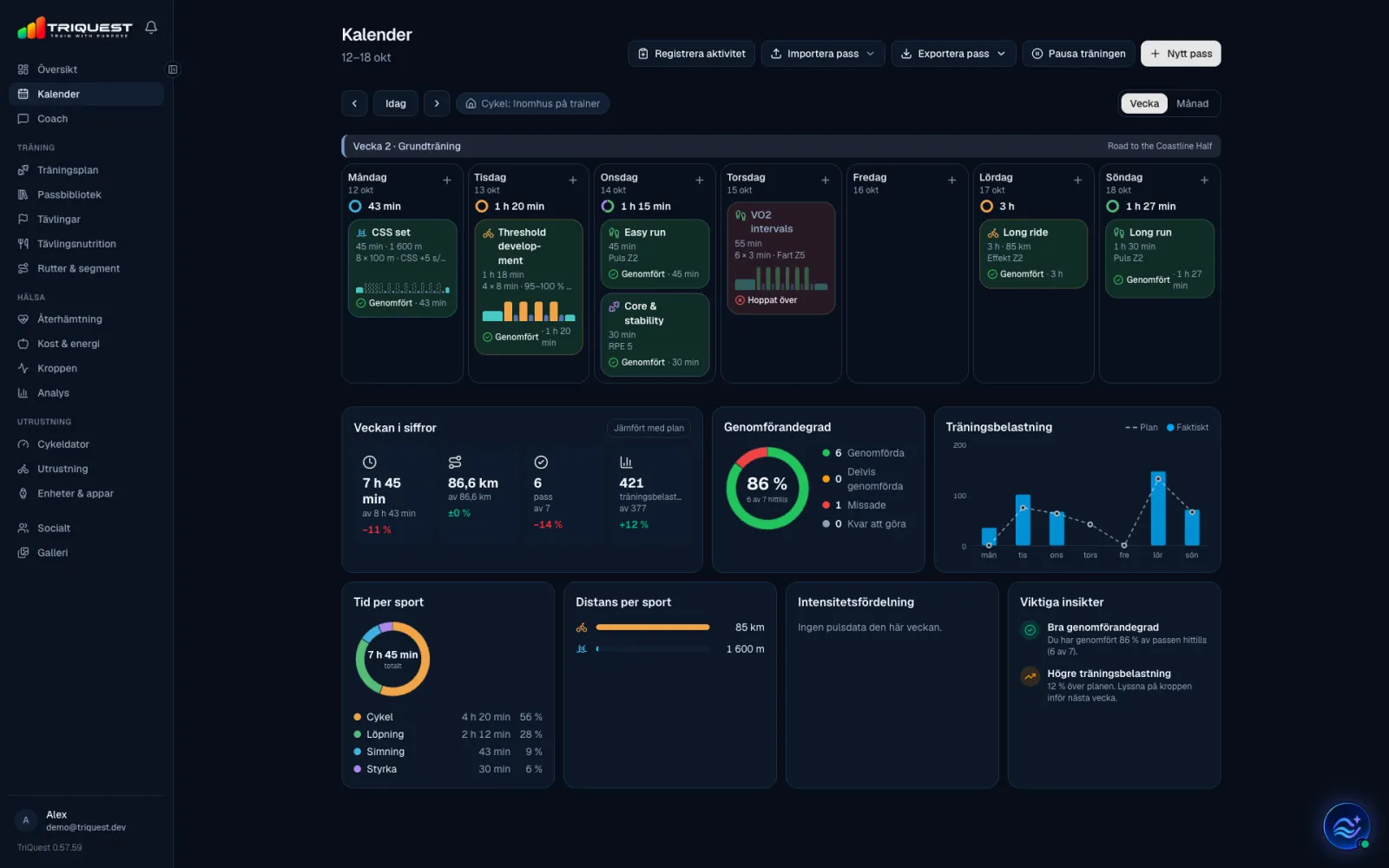
From that it builds a plan week by week, from the day you start to the starting gun. Every week has a target time for each discipline, its key sessions and a reason for why the week looks the way it does. You see the whole plan before anything goes into your calendar.
The phases up to race day
Preparation
If you are new or have trained unevenly, the plan opens with a few weeks that get your body used to regular training in all three disciplines.
Base
Plenty of easy endurance, technique in the water and strength. This is the foundation the rest of the season rests on.
Build
More time, more quality sessions and the first brick sessions.
Race-specific
The sessions look like the race: pace close to race pace and the longest sessions and bricks.
Taper
The volume comes down but the sharpness stays, so you arrive rested at the start.
Race week
A few short sessions to keep you sharp for race day.
Along the way lighter weeks come at regular intervals, so your body has time to absorb the work of the weeks before. The long rides and runs grow step by step toward the race instead of all at once.
Sprint, Olympic, half or full distance

Sprint
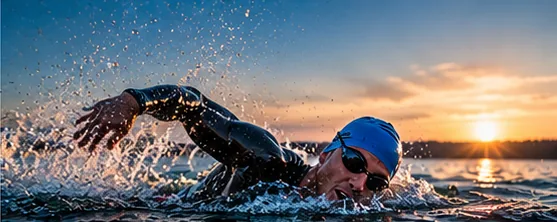
750 m swim, 20 km bike and 5 km run. A good first triathlon, and a fast race for those who want to compete.
Olympic distance
1.5 km swim, 40 km bike and 10 km run.
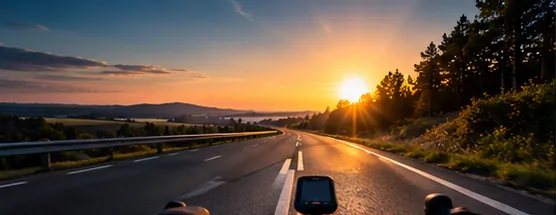
Half distance
1.9 km swim, 90 km bike and 21.1 km run.
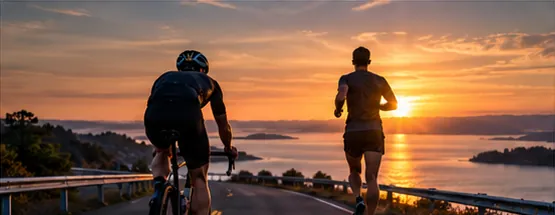
Full distance
3.8 km swim, 180 km bike and 42.2 km run.
The longer the distance, the longer the plan, the long sessions and the taper. Before a half or full distance the bike takes the most room, since it is the longest part of the race. TriQuest balances the disciplines for the distance and for the time you have. Aiming for one of Sweden's big races? Read the guides to IRONMAN Kalmar and IRONMAN 70.3 Jönköping.
A week that fits your life
- Your week decides: training days, time per day, long-session days and sessions you lock to a certain day.
- Most sessions are easy, and hard sessions get lighter days in between.
- Brick sessions with a run straight after the bike go on your bike days.
- Two sessions on one day only when that day's time covers both.
- Strength is included if you want it, with less of it as the race gets closer.
- When your week changes you move a session, shorten it or switch sport, and the plan takes it into account.
The right targets in every discipline
- Swimming with distances and pace from your CSS.
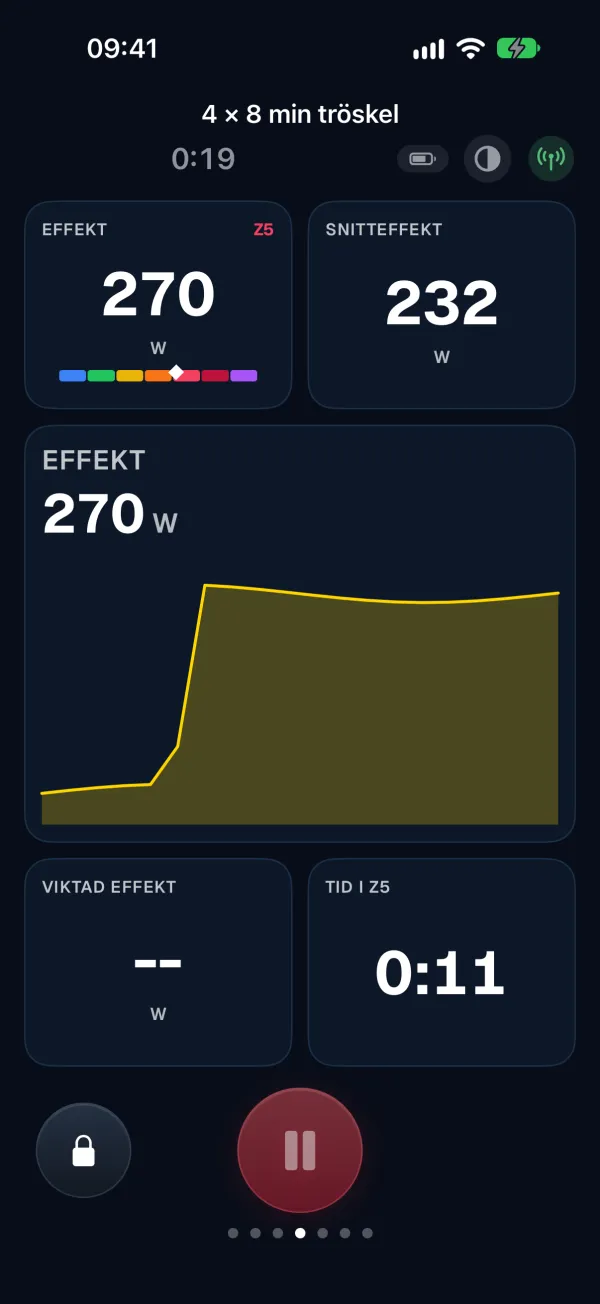
- Cycling with power in watts from your FTP, or with heart rate.
- Running with pace and heart-rate zones.
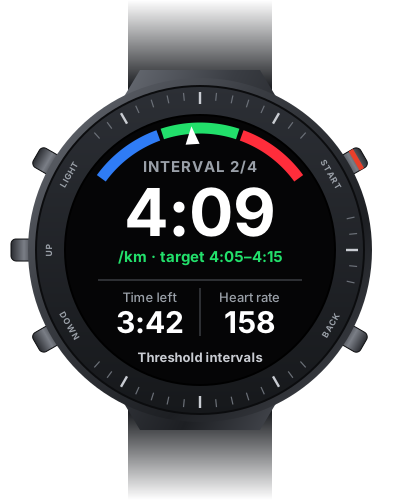
- Do the sessions on your Garmin, on the bike computer in the app or on Apple Watch.
Coach and adaptation
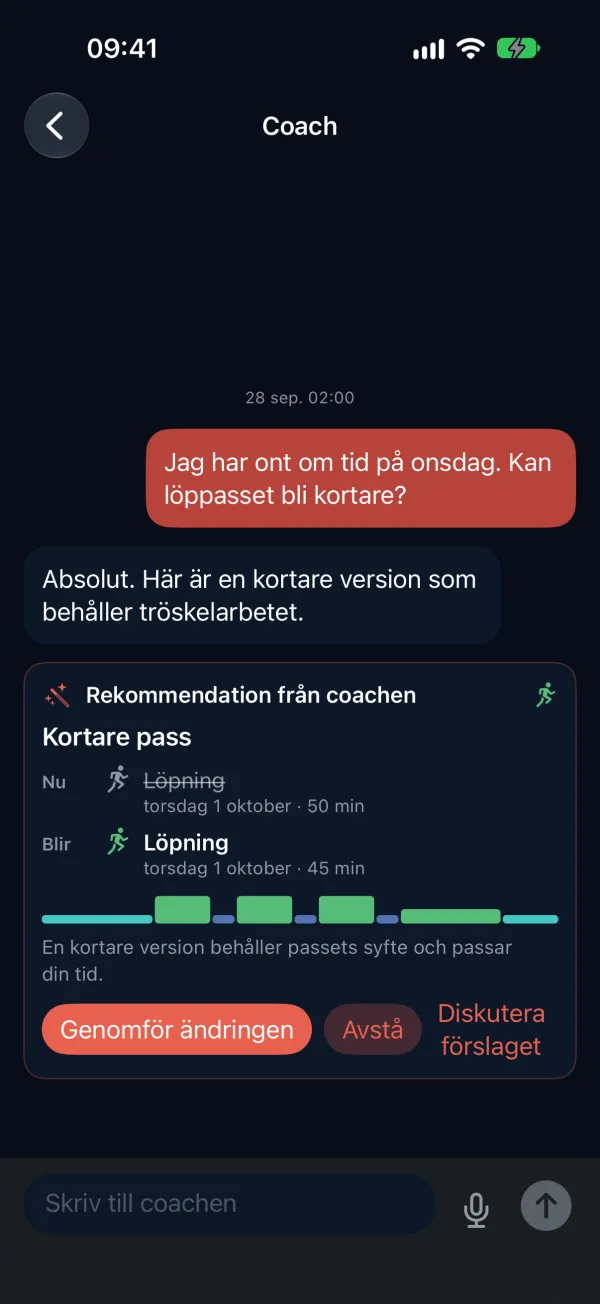
- TriQuest Coach sees your plan, your sessions and your recovery and suggests adjustments. Nothing changes until you approve it.
- The plan adapts to recovery, injuries, illness and breaks. After a break you get a gradual return.
- If you have a coach of your own, they can plan your sessions directly in TriQuest.
Fuelling on race day
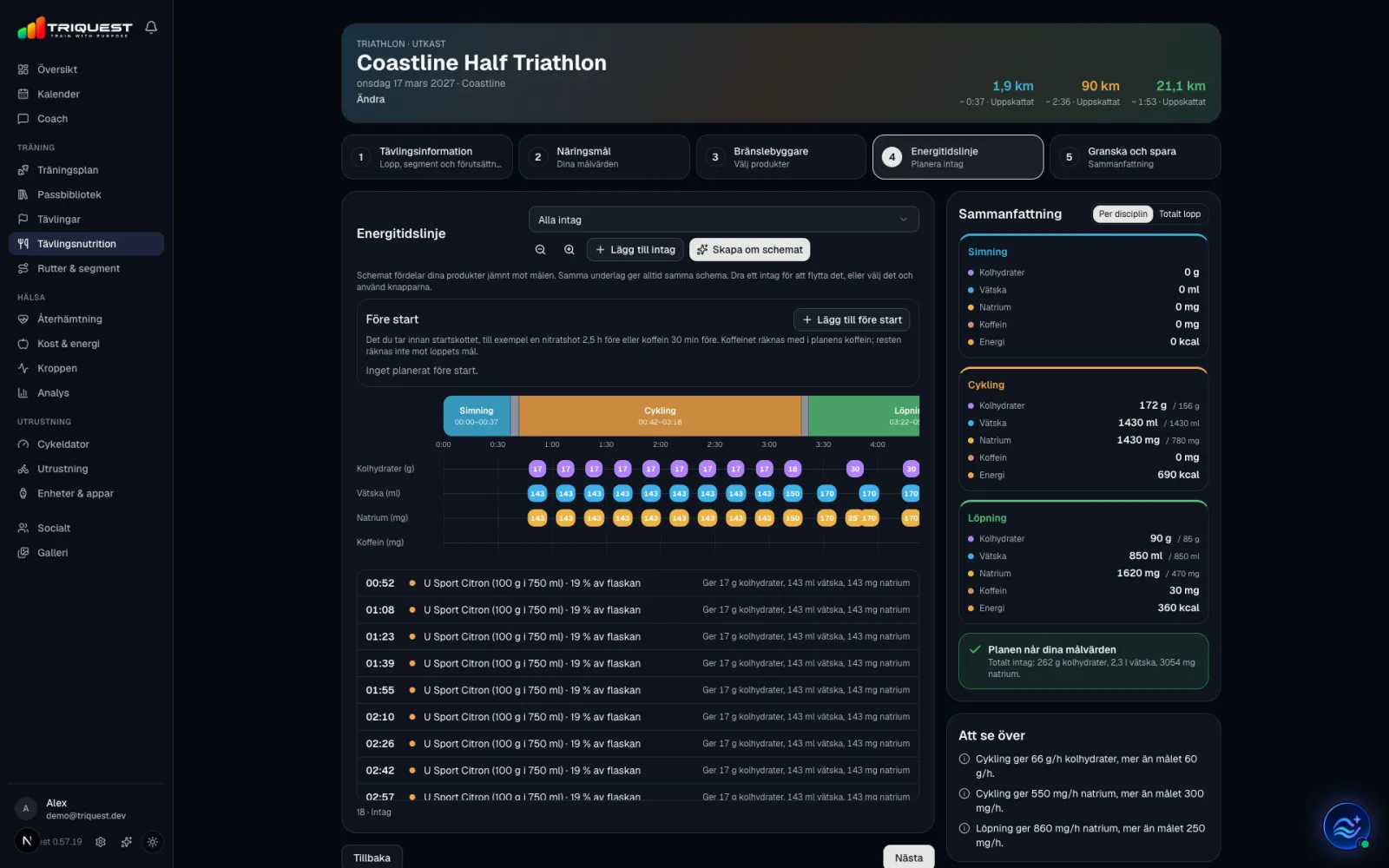
- Plan carbohydrates, fluid and sodium for the swim, bike and run with race nutrition.
- Practise the plan on long sessions, and follow it in the app on race day.
See yourself improve
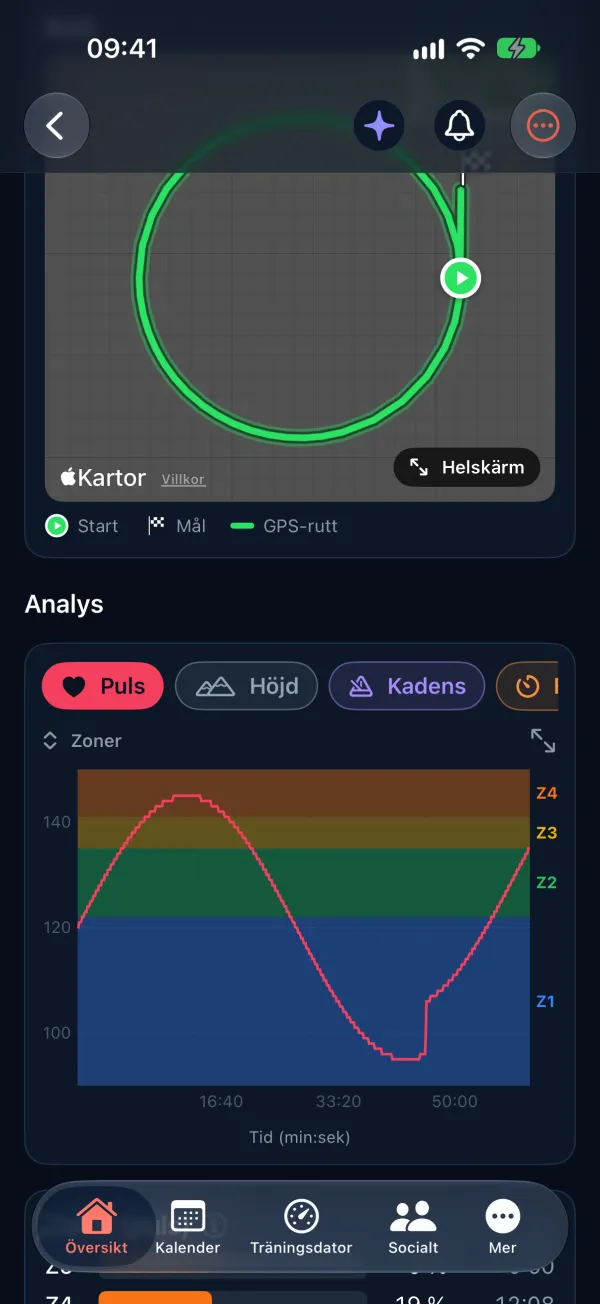
- Every session is compared with the plan: time, distance, heart rate, power and load.
- Training load, fitness and fatigue over the weeks, and your personal bests.
Common questions
Common questions about triathlon training
How much time do I need to train for a triathlon?
TriQuest builds the plan from the day you start to your race. With plenty of time every phase gets its weeks. With little time left the phases get shorter and fit the time there is.
How many hours a week do I need to train?
You set how much time you have each day, and the plan stays within it. Longer distances need more time for the long sessions, so set aside more time before a half or full distance.
Can I use my watch and my sensors?
Yes. Sessions go to your Garmin, and what you record there comes back to the plan by itself. Apple Watch works too, and completed sessions are also imported from Apple Health and Health Connect. The bike computer in the app connects to heart-rate straps, power meters and smart trainers over Bluetooth.
What happens if I get ill or miss sessions?
The plan adapts. You can pause your training and get a gradual return when you are back, and the coach suggests changes that you approve.
Can I have a coach of my own?
Yes. A coach in TriQuest can plan your sessions, and you message each other and have video calls in the app.
What does it cost?
During the beta everything is included at no cost.
More about TriQuest
Running
Plans from 5 km to the marathon, with pace and heart-rate zones.
Cycling
Plans for bike races, a training computer, routes and power intervals.
Cross-country skiing
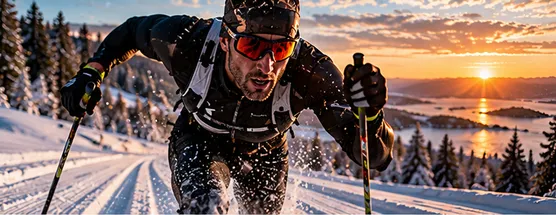
Plans for ski races, on snow or roller skis by the season.
Vasaloppet
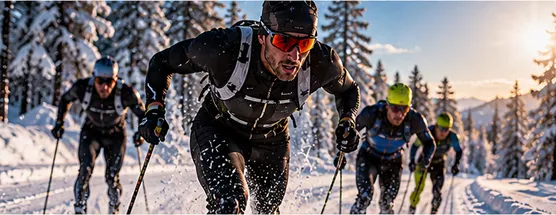
90 km from Sälen to Mora: long sessions, double poling and roller skis to snow.
Vätternrundan
315 km around Lake Vättern: long rides that grow, the trainer in winter and fuel all the way.
Bike computer
Build your own screens for every bike, on your phone.

Race nutrition
Carbohydrates, fluid and sodium for the race, step by step.
Ready to train smarter?
Let TriQuest bring your plan, sessions, analysis and coaching together in one place.